The Nightingale Comeback
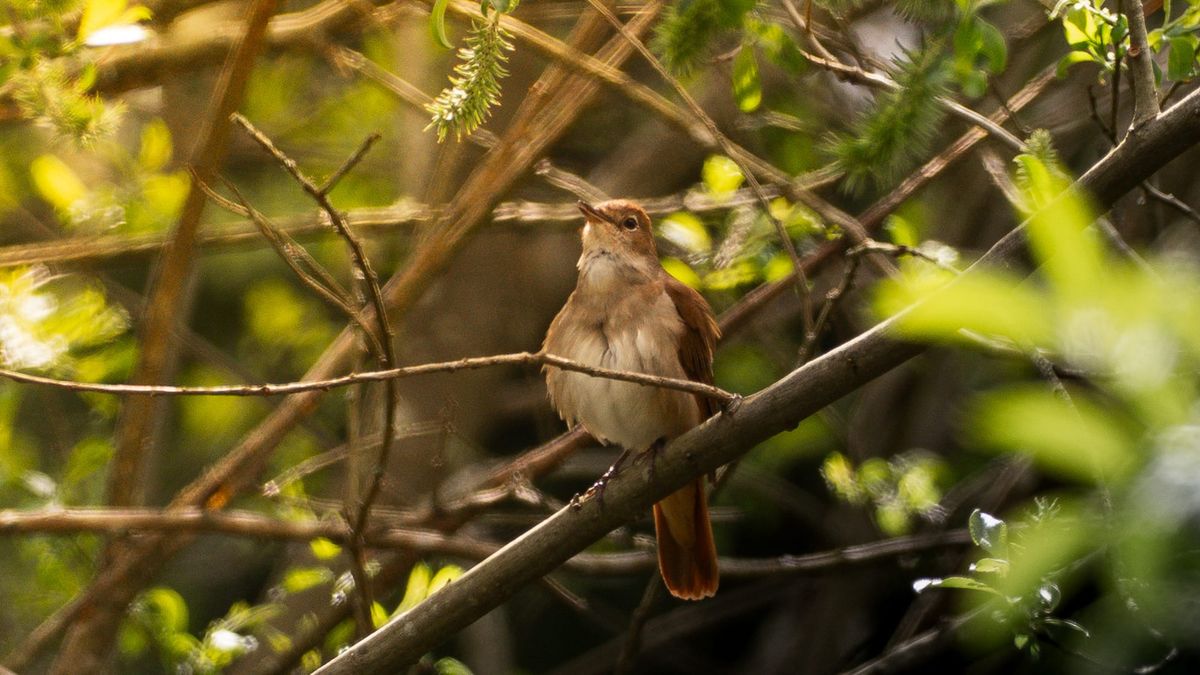
For decades, the Nightingale has felt like a ghost of the British countryside. A bird more often spoken about than heard. I'd heard of it but never actual heard it.
Its song once poured through spring hedgerows and tangled woodland edges across southern England. Then, slowly, the silence crept in. Habitat vanished. Scrubland was tidied away. Numbers collapsed.
But this spring, there is a whisper of good news. On several carefully managed reserves, Nightingale numbers have risen again. Not dramatically. Not enough to declare some great triumph over nature’s troubles. But enough to remind us that wild things can still return when given the chance.
And perhaps that is the lesson. The Nightingale does not ask for perfection.
It asks for bramble. For thicket. For untidy corners where life can hide and grow. The very places modern landscapes often try hardest to erase.
Most people will never actually see a Nightingale. They are small, brown and secretive. But hearing one is another matter entirely. Suddenly, a dark hedgerow becomes a concert hall. A single bird somehow sounding larger than the entire woodland around it.
For centuries poets tried to explain the feeling. Most failed gloriously. Perhaps some things are better heard than described.
For now, the Nightingale remains fragile in Britain. But this small rise in numbers feels important. A reminder that nature is not always retreating.
Sometimes, very quietly, it sings its way back.