The summer the Small Tortoiseshell went missing
There was a time when the Small Tortoiseshell was the butterfly you didn't have to look for. It kind of came to you. On our Buddleja in August. On windfall apples. On the inside of the kitchen window, in drowsy coma, waiting for spring.
Most of us have a memory of one. Few of us have a recent one. I have not seen one this year. The UK Butterfly Monitoring Scheme has been counting since 1976. This month it reported that Small Tortoiseshell abundance is down 86%.
Eighty-six.
It is the headline figure in a wider, grimmer arithmetic. Of fifty-nine native species, thirty-one are now in long-term decline — the first time since the scheme began. Nine had their worst year on record. Small Copper. Chalk Hill Blue. Small Skipper. Large Skipper.
We notice the rare ones going. We rarely notice the common ones leaving.
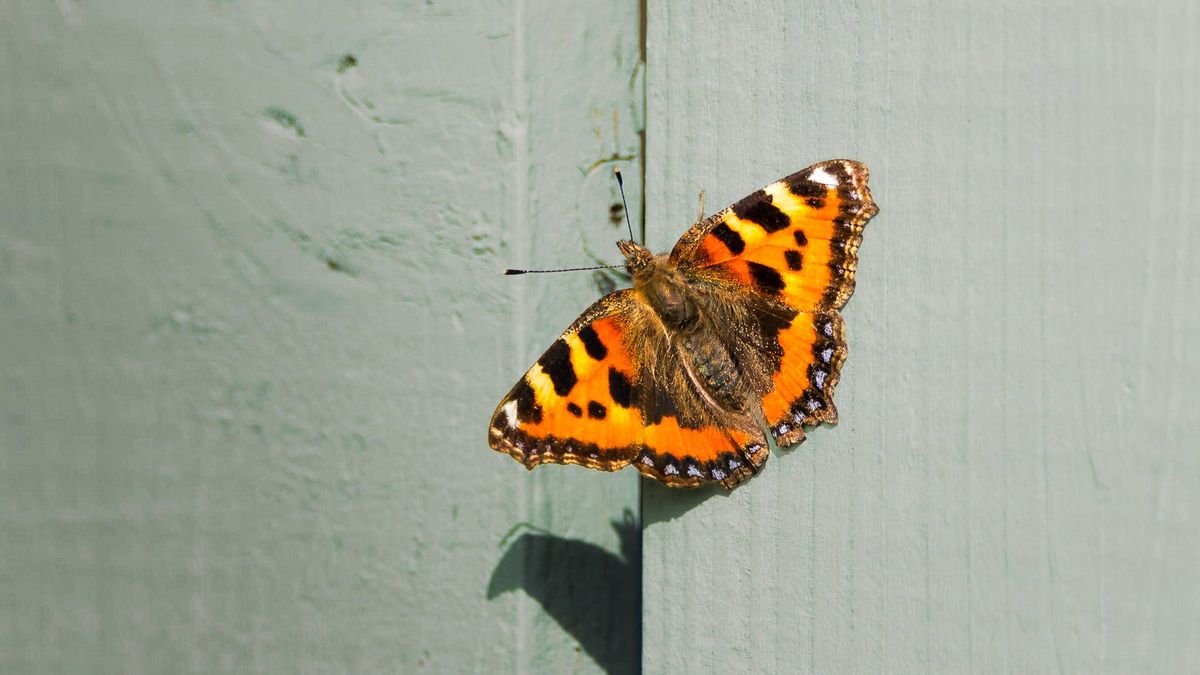
The Small Tortoiseshell was never a connoisseur's butterfly. No one travelled to see it. It belonged to the verge, the back garden, the railway embankment. Wherever a patch of nettle was allowed to stand. That was the deal. A scruffy corner, and in return, the most fanciful wings in the British summer: ember orange, blue-bead margins, a black filigree no human hand could ever draw.
The deal has not been kept.
Nettles are tidied away. Field edges are sprayed. Gardens become lawns, lawns become decking. The caterpillar (a black-spined, gregarious thing) that lives in silk tents on the new growth of stinging nettle, needs the one plant we have spent decades deciding we'd rather not have.
So it goes.
The science offers no single villain. Habitat loss. Agricultural intensification. Warmer, wetter winters that coax the overwintering adults out of hibernation too early. A parasitoid fly, Sturmia bella, arrived from the continent and lays its eggs on the caterpillars. Each in it's own right, small. The sum, has been devastating.
And yet a Small Tortoiseshell can still find you, if you let it.
The first warm afternoon of May, sunning on a fence post, wings open, perfectly still — there is no other British butterfly that looks quite like a stained-glass window someone left out on the lawn. You forget, when they're gone, how recently they were everywhere.
What it needs is not complicated. A patch of nettle in the sun. A little untidiness. A willingness to let one corner be, a corner.
The species is not yet lost. It is, for now, missing. That distinction is something we can all work to revert.